
5 Alternatives to Yoto
What is a Yoto?
The Yoto players are taking the screen-free movement by storm and winning over kids and parents. This little audiobook player allows kids to listen to read alouds (an incredibly important pre-reading skill) without the fear of inappropriate ads or content making it’s way into the hands of your kid. That said, it’s hard to find a downside, except for the price tag. It ranges from $80 for the mini Yoto and $110 for the standard size.
You may not be ready to take on that price tag, especially if your kid is drawn to screens or may not be that into reading yet.
Are there Yoto alternatives?
Here are 5 alternatives that you may want to try first, or instead of, the Yoto. Oh, and three of them are free!
WhaZoodle Portable Speaker
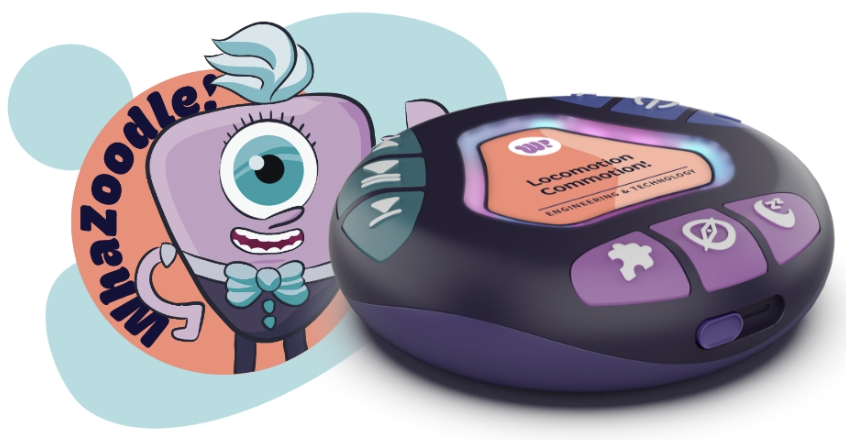
WhaZoodle portable speaker
The WhaZoodle portable speaker comes preloaded with books, games (e.g., jokes, and body movement songs, etc), songs, and naturescape sounds.
Similar to the Yoto, you do not have to worry about your child scrolling or the algorithim serving your child something in appropriate, because it does not run on WiFi!
Cost: Free through most libraries. In Missouri, St. Louis City and St. Louis County Libraries have these available to check-out
Vooks
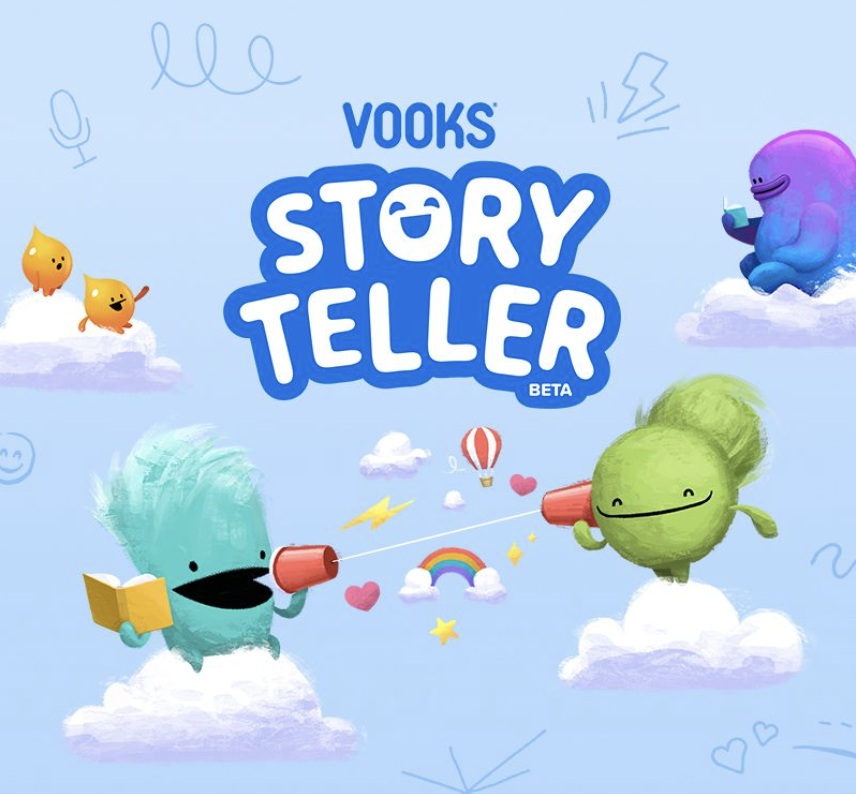
Vooks features animated stories and is perfect for the kid who may not be ready to give up the screen. Simple animations keep kids engaged without distracting them from the story. It also features read alouds with highlighted words on screen to help with early reading skills.
Some reviews note that the library of Vooks books feels limited, so be sure to look through their current catalog to make sure there are books, characters, themes, etc that will interest your kid!
Cost: $70 annually
Wonderbooks
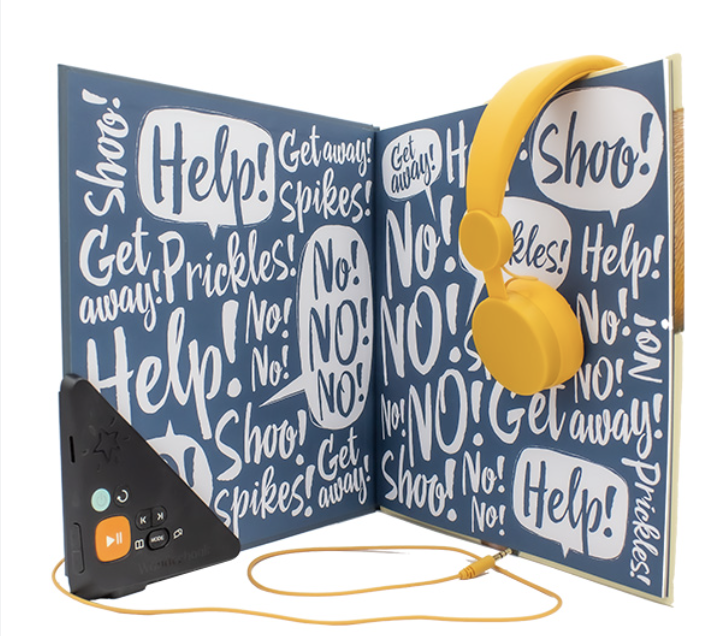
Wonderbooks feature an audioplayer on the back of the front cover. The books are narrated by fantastic voice actors and also features fun sound effects to keep engagement high. Kids have to be able to pay attention and turn the page when the chime sounds, so this might be more appropriate for elementary school kids.
Cost: free! Most libraries also carry Wonderbooks!
Novel Effect
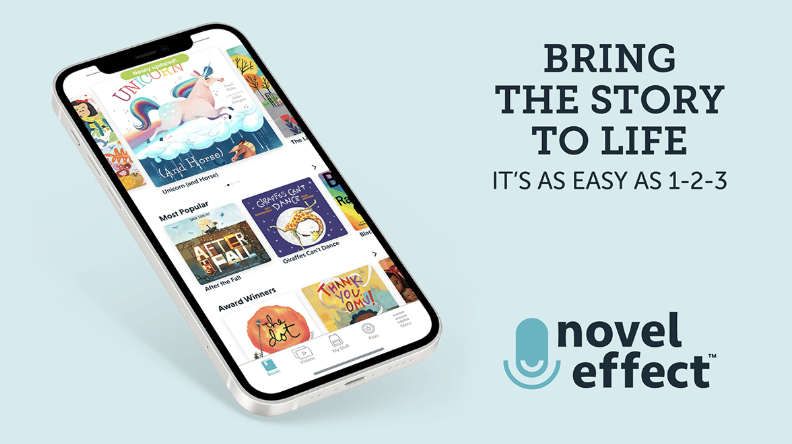
Novel Effect plays sound effects and music as it listens to you read. Once it hears your read keywords you may hear that magical unicorn gallop across the rainbow, or the music that makes the giraffe dance. In my personal experience, it helps kids who are hesitant to read aloud—the magic of the effects is that motivating!
Cost: $90 annually
Podcasts
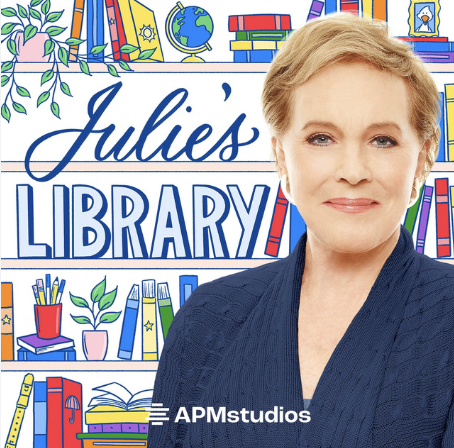
Podcasts are great way to also test if your kid is ready to ditch the screen and attend to a story just by listening. There are lots of great options, but nothing is quite as soothing as Julie’s Library. Stories are short and you can listen to the podcast in sections—listen to the day’s poetry, then listen to the story, etc.
Cost: free!
Is my kid ready for a Yoto?
If your kid struggles to part from a screen, they may not be ready for you to invest $100 in a Yoto player. Try some of these free or lower cost options, I suggest starting with a WhaZoodle (or see if your library lends out Yotos) and make it available as an alternative to screen time.
Try introducing scheduled quiet time daily. Initially try just 10 minutes and see if you can increase it from there. Have a basket of quiet time activities and include a podcast, WhaZoodle, puzzle, coloring activity, Legos, etc.
How do I reduce screen time for my kid?
I recommend starting by making screen time a predictable part of your kid’s daily routine. Studies show that a moderate amount of screen time does not cause harm, but it has to be guided by a parent.
The American Academy of Pediatrics has guidelines to help you understand what is normal based on developmental guidelines, as well as, tools to help you plan purposeful screen time opportunities.
